Surge protective device (SPD)
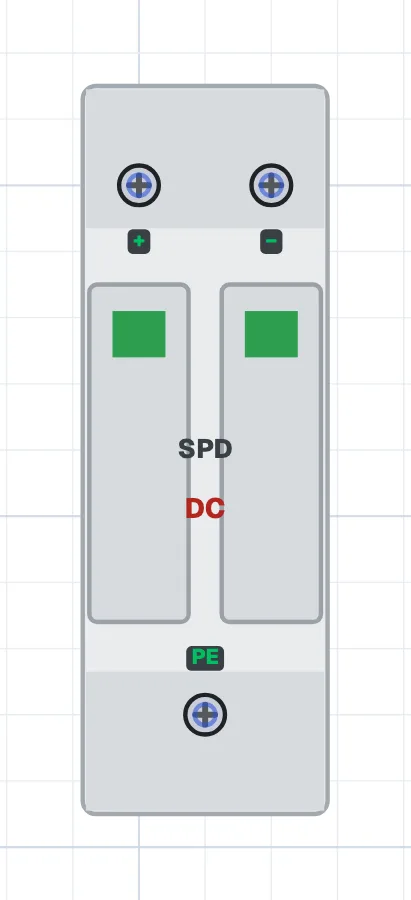
What is a surge protective device?
A surge protective device (SPD, surge arrester) protects equipment by diverting sudden overvoltages caused by lightning or switching events on the network to earth. At normal voltage it has no effect on the circuit; at overvoltage it starts to conduct.
Where is an SPD used?
It is used in main distribution boards, on the DC and AC sides of solar PV systems, in telecom and electronic equipment panels, and in installations in areas with high lightning risk. It is important for protecting expensive equipment such as inverters, PLCs and drives.
Types and selection
AC and DC SPDs are different; a DC SPD must be used on the DC line of solar panels. By level of protection they are classed as Type 1 (direct lightning), Type 2 (distribution board) and Type 3 (next to equipment). Many models have an indicator window that shows when they reach end of life.
What to watch out for
Good earthing is essential for the SPD to work; the earth cable is kept short and straight. A module whose indicator turns red is replaced. The fuse recommended by the manufacturer is used in front of the SPD.
Terminals
AC surge protector
- Line
- L, N
- Earth
- PE
DC surge protector
- Line
- +, −
- Earth
- PE
Try it in the simulator.
This component is in CoilPath with its real look. Add it to a circuit, wire it and see how it behaves in the simulation.