Terminal block
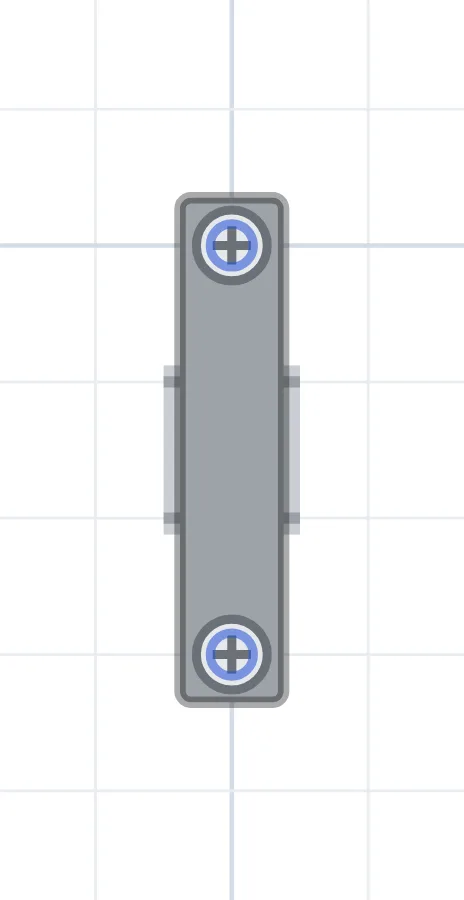
What is a terminal block?
A terminal block (DIN rail terminal, feed-through terminal) joins the wires inside a panel to the cables going outside in a safe and orderly way. It clips onto a DIN rail and is lined up with others to form a terminal strip. Each terminal has an input and an output side.
Where are terminal blocks used?
In every electrical panel: for connecting motors, sensors, push buttons, float switches and external devices. Bringing cables to terminals instead of straight to devices makes installation, troubleshooting and device replacement easier.
Terminal block types and colours
Grey terminals are used for phase, blue for neutral and green-yellow for earth (PE). The earth terminal is electrically connected to the rail. There are screw and spring (push-in) types, two- and three-level types, fused terminals and disconnect test terminals. They are chosen by wire cross-section (1.5 mm², 2.5 mm², 4 mm² and so on).
What to watch out for
Terminals are numbered and labelled according to the diagram, which makes troubleshooting on site much easier. The wire size must suit the terminal and screws are tightened to the manufacturer's torque. End plates and end stops are fitted at both ends of the strip.
Terminals
Terminal block (phase)
- Top and bottom screws are joined inside
Terminal block (neutral)
- Top and bottom screws are joined inside
Terminal block (earth)
- Top and bottom screws are joined inside
Try it in the simulator.
This component is in CoilPath with its real look. Add it to a circuit, wire it and see how it behaves in the simulation.